
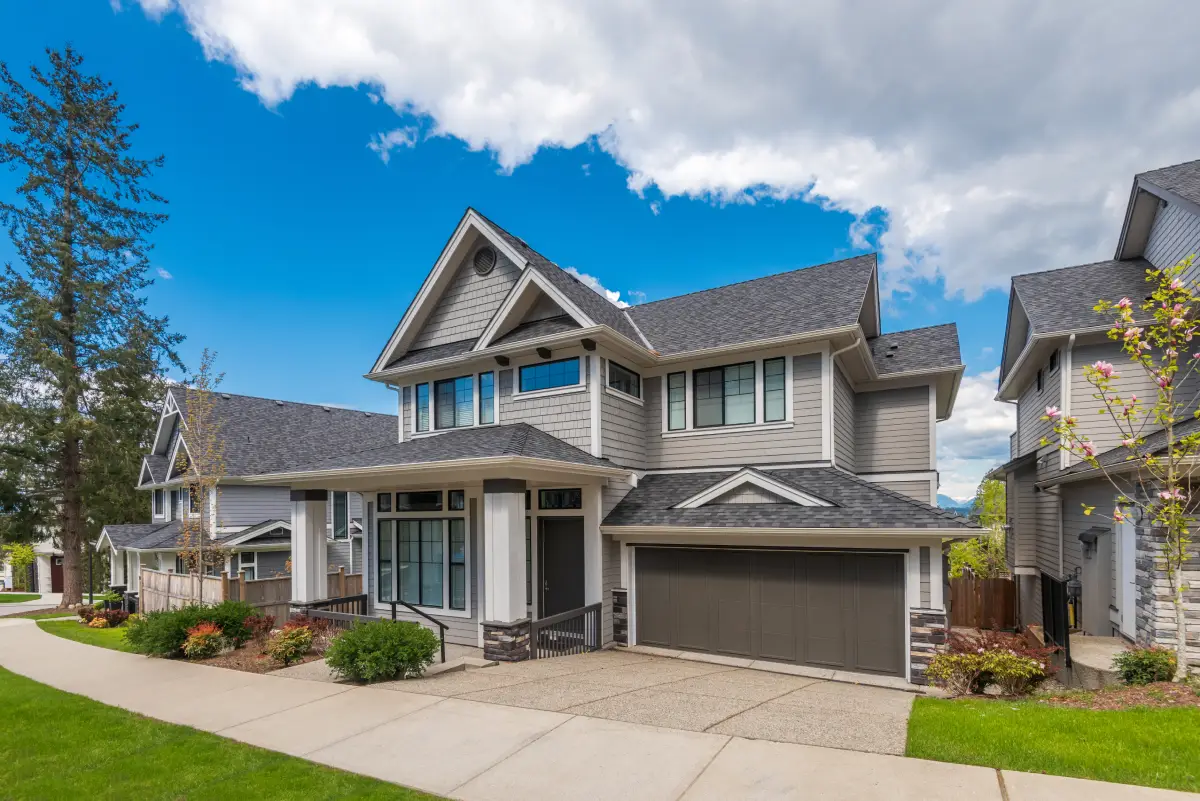
A rental property can appear successful while quietly producing less income than it should. Consistent occupancy, dependable tenants, and on-time rent payments often give landlords confidence that everything is running smoothly. Yet hidden inefficiencies can gradually reduce profitability without creating obvious warning signs.
Many Jacksonville property owners focus on vacancies as the primary threat to cash flow. While vacancies certainly matter, other factors often have a greater impact on long-term returns. Through proven modern rent collection methods, landlords frequently discover overlooked opportunities to improve property performance.
Understanding where income slips away helps owners make better decisions and maximize the value of their investments.
Key Takeaways
- Stable occupancy can hide financial inefficiencies that affect profitability.
- Rent pricing should be reviewed regularly to align with market conditions.
- Routine inspections help identify costly maintenance issues early.
- Strategic property improvements support stronger rental performance.
- Consistent oversight protects both income and property value.
Rent That Falls Behind the Market Can Limit Returns
Many landlords hesitate to adjust rent when reliable tenants renew their leases. While tenant retention has value, avoiding reasonable rent increases for extended periods can significantly reduce earnings.
Jacksonville's rental market continues to evolve as population growth and housing demand influence pricing. What was competitive a few years ago may no longer reflect current conditions.
Small Pricing Differences Grow Over Time
A monthly rent amount that falls below market value may seem insignificant at first. However, even a modest difference can add up quickly.
For example, a rental priced $125 below market value represents $1,500 in missed annual income. Across several lease renewals, the total financial impact becomes substantial.
Landlords who review pricing trends regularly often make stronger decisions. Resources covering effective leasing strategies can provide valuable insight into maintaining competitive rental rates.
Ownership Costs Continue Rising
Property taxes, insurance premiums, maintenance expenses, and service costs rarely remain static. When rental income stays unchanged while expenses increase, profit margins gradually shrink.
Regular evaluations help ensure that rental pricing supports both current costs and future investment goals.
Reliable Tenants Do Not Always Report Problems
Long-term tenants contribute stability to a rental property. However, many tenants delay reporting maintenance concerns because they believe the issue is minor or because they do not want to inconvenience the owner.
Unfortunately, small issues often become expensive repairs when left unaddressed.
Water Damage Often Begins with Small Leaks
A slow leak beneath a sink or behind a wall can continue for months before visible damage appears.
Over time, moisture may affect flooring, drywall, cabinets, and structural components. What begins as a minor repair can eventually require extensive restoration work.
HVAC Systems Usually Show Warning Signs
Heating and cooling systems rarely fail without warning. Reduced airflow, inconsistent temperatures, and unusual sounds often appear first.
Routine inspections allow owners to identify concerns before major breakdowns occur.
Older Appliances May Hide Performance Issues
Many appliances continue operating while efficiency declines.
Tenants often adapt to these inconveniences rather than reporting them immediately. Monitoring replacement schedules helps landlords avoid emergency repairs and unexpected expenses.
A detailed review of property finances through organized landlord budgeting strategies can also reveal patterns that indicate growing maintenance needs.
Outdated Features Can Affect Future Earnings
Properties do not become outdated overnight. Instead, the process happens gradually as competing rentals introduce newer finishes, updated amenities, and improved features.
Long-term occupancy sometimes causes owners to postpone improvements because current tenants appear satisfied.
Simple Updates Can Make a Difference
Several upgrades frequently improve both marketability and tenant satisfaction:
- Updated lighting fixtures
- Fresh interior paint
- Modern cabinet hardware
- Energy-efficient appliances
- Improved landscaping
These enhancements often require modest investment while supporting stronger rental appeal.
Expectations Continue to Rise
Consumer expectations influence decision-making across nearly every industry. According to research, 32% of customers will stop doing business with a company after a single poor experience.
While rental housing differs from traditional consumer services, expectations still influence renewal decisions and property perception.
Investing in reasonable upgrades helps properties remain competitive when tenants evaluate their housing options.
Familiar Relationships Can Lead to Inconsistent Standards
Positive landlord-tenant relationships are important. However, long-term familiarity occasionally causes owners to become less strict about lease enforcement.
Small exceptions may seem harmless initially but often create larger operational challenges later.
Common Areas Where Standards Slip
Some of the most common examples include:
- Frequent late rent payments.
- Unauthorized occupants.
- Unapproved pets.
- Delayed maintenance reporting.
- Minor lease violations.
Addressing concerns consistently helps maintain property standards and prevent future complications.
Clear Communication Benefits Everyone
Tenants generally appreciate transparency and predictable expectations.
When landlords apply policies fairly and consistently, misunderstandings become less common and property operations remain more efficient.
Conducting a professional rental property analysis can help identify operational weaknesses before they affect profitability.
Annual Reviews Help Reveal Hidden Revenue Loss
Successful investors rarely rely on assumptions. Instead, they review performance regularly and adjust strategies as market conditions change.
An annual review provides an opportunity to evaluate several important factors:
- Rental pricing
- Maintenance costs
- Property condition
- Lease compliance
- Planned improvements
These evaluations often reveal opportunities that might otherwise go unnoticed.
Industry research found customer satisfaction scores reaching 81 out of 100 for in-room amenities. Although residential rentals operate differently from hospitality properties, both demonstrate how property condition contributes to occupant satisfaction and perceived value.
Many Jacksonville owners gain additional insight through professional tools such as an investment return calculator when evaluating future property decisions.
Consistent Oversight Supports Better Long-Term Results
Managing a rental property involves more than collecting rent each month. Property owners must monitor finances, coordinate maintenance, evaluate market conditions, communicate with tenants, and enforce lease requirements.
Without a structured approach, small issues can gradually affect overall performance.
Professional management helps introduce consistency across every aspect of property operations.
Benefits of Ongoing Property Oversight
- Better financial visibility
- Improved maintenance coordination
- Stronger tenant communication
- Consistent lease administration
- More informed decision-making
Access to resources such as a professional free rental evaluation and dedicated property owner resources can further support long-term investment success.
FAQs about Hidden Rental Revenue Loss in Jacksonville, FL
How can I determine if my Jacksonville rental is earning below its potential?
Review your current rent, operating expenses, maintenance history, and local market conditions. Comparing your property to similar rentals often reveals opportunities to improve profitability and performance.
How often should landlords evaluate rental pricing?
Most property owners benefit from reviewing pricing at least once each year. Regular evaluations help ensure rental rates remain competitive and aligned with changing market conditions.
Can long-term tenants unintentionally reduce profitability?
Yes. While dependable tenants provide stability, below-market rent, delayed maintenance reporting, and postponed property improvements can gradually reduce financial performance over time.
What types of upgrades usually provide the best value?
Practical improvements such as fresh paint, updated fixtures, energy-efficient appliances, and improved curb appeal often enhance tenant satisfaction while supporting stronger rental demand.
Why are annual property reviews important?
Annual reviews help identify maintenance concerns, pricing gaps, lease compliance issues, and future improvement opportunities before they become larger financial challenges.
Closing the Gaps That Drain Rental Profits
Small inefficiencies rarely attract attention when a property remains occupied, yet they often have the greatest impact on long-term returns. Missed pricing opportunities, delayed maintenance, outdated features, and inconsistent lease practices can quietly reduce profitability year after year.
At PMI Jacksonville, we help residential property owners identify these hidden challenges before they become costly setbacks. Through ongoing property reviews, financial reporting, maintenance oversight, and market-based guidance, we help investors make informed decisions that support healthier rental performance across Jacksonville.
Every dollar collected on time contributes to a stronger investment outcome. Accelerate monthly collections and bring greater consistency to your property's cash flow.
