
Maintenance requests can feel routine, yet a closer look at your latest rental performance insights often reveals patterns that are easy to miss. A repair gets handled, then appears again weeks later. Another issue shows up in a similar spot. Over time, these repeated problems begin to form a cycle.
These situations don’t just take up time. They create a steady rise in expenses, interrupt daily operations, and influence how tenants view your property. In Jacksonville’s competitive rental market, recurring minor repairs can gradually affect both efficiency and long-term performance if they are not addressed properly.
Key Takeaways
- Recurring minor repairs often point to deeper system inefficiencies
- Temporary fixes tend to increase long-term maintenance expenses
- Delayed upgrades can lead to more frequent breakdowns
- Reliable maintenance improves tenant satisfaction and retention
- Tracking repair patterns helps strengthen overall property performance
Recurring Repairs Often Signal Bigger Concerns
Repeated maintenance issues rarely happen without a cause. When the same repair comes back, it usually means the root problem was never fully resolved.
Looking beyond the immediate fix helps uncover what’s really happening. Patterns often highlight inefficiencies within systems, materials, or installation quality. Reviewing how you approach property maintenance planning can help you identify gaps that lead to repeated issues.
Common Issues That Repeat
Certain repairs tend to appear more often than others:
- Plumbing problems caused by buildup or poor pipe layout
- HVAC malfunctions tied to aging or undersized systems
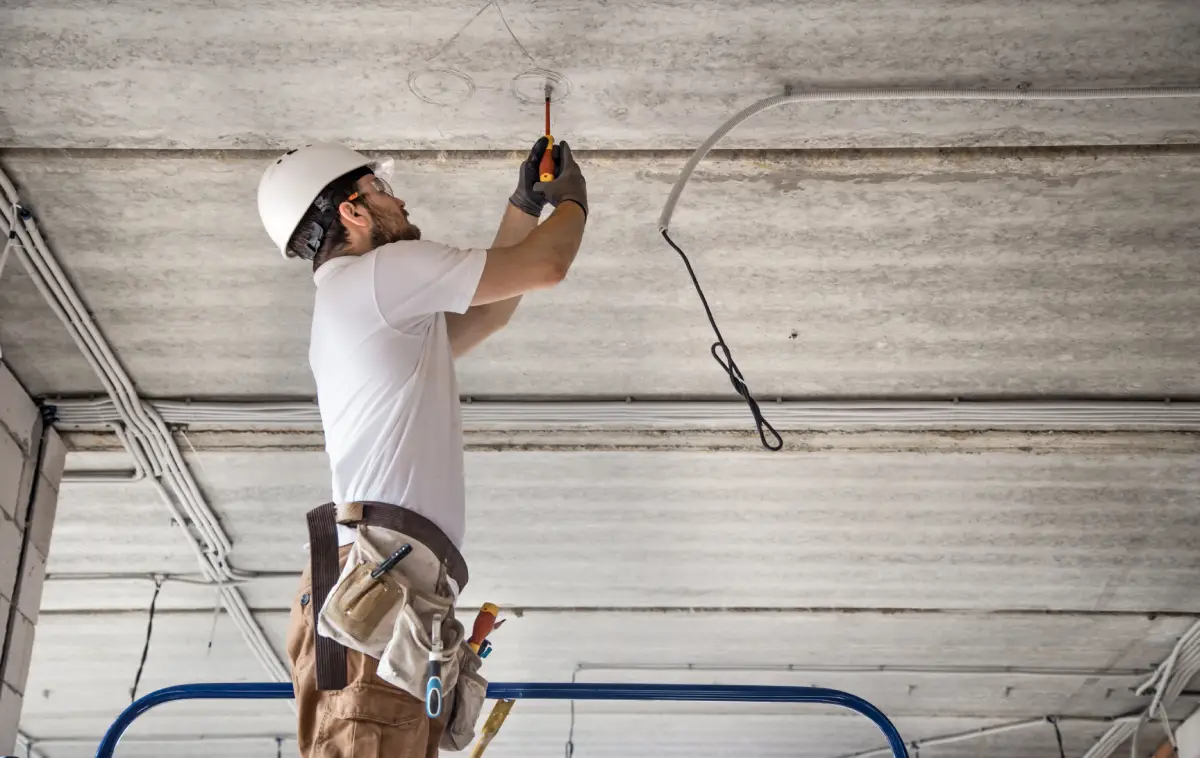
- Electrical issues linked to outdated wiring
When these issues recur, they signal that a deeper evaluation is needed instead of another short-term solution.
The Cost of Repeated Repairs Builds Over Time
A single repair may seem manageable, but repetition changes the situation quickly. Each service call includes labor, materials, and coordination time.
Over several months, these costs begin to stack up. National data shows median housing costs reached $2,035 in 2024, reflecting the broader increase in property-related expenses.
Where Costs Begin to Add Up
- Multiple visits for the same issue
- Repeated use of repair materials
- Additional time spent scheduling and coordinating
Housing research also shows repair needs reached $198.4 billion in a single year, driven largely by recurring maintenance cycles.
Tracking spending through property performance tools gives you a clearer understanding of how repeat repairs affect your bottom line.
Delayed Upgrades Can Create Ongoing Issues
Postponing upgrades may seem like a cost-saving decision at first. Over time, it often leads to more frequent repairs and higher long-term expenses.
Older systems tend to lose efficiency and reliability. They require more attention, consume more energy, and are more likely to fail unexpectedly. This creates a cycle where repairs continue without improving overall performance.
Indicators That an Upgrade May Be Needed
- Repairs are becoming more frequent
- Equipment performance is inconsistent
- Utility costs continue to rise
Exploring options like eco-friendly property upgrades can help reduce recurring issues while improving long-term efficiency.
Tenant Experience Is Shaped by Maintenance Consistency
Tenants expect issues to be resolved once, not repeatedly. When problems return, it affects how they view your property and its management.
Even if repairs are handled quickly, repeated disruptions can lead to frustration. Over time, tenants may feel their concerns are not being fully resolved.
Signs Tenant Satisfaction May Be Declining
- Repeat complaints about the same issue
- Frustration during maintenance interactions
- Hesitation when lease renewal discussions begin
Improving tenant communication practices helps ensure concerns are addressed clearly and resolved effectively.
Recurring Issues Can Increase Turnover Risk
When maintenance issues persist, tenants may start considering other options. Even small problems can influence their decision if they affect daily comfort.
Higher turnover leads to additional expenses. Vacancy periods, marketing efforts, and onboarding new tenants all impact your returns. Frequent turnover also increases wear on the property.
Long-Term Impact on Property Stability
A consistent maintenance approach helps support tenant retention. When tenants trust that problems will be resolved properly, they are more likely to stay longer.
Looking into inspection and maintenance checks can help identify recurring issues before they become larger problems.
Building a More Effective Maintenance Strategy
Breaking the cycle of recurring minor repairs requires a shift in how maintenance is handled. Instead of reacting to each issue, focus on identifying patterns and addressing root causes.
This approach helps reduce long-term costs and improve overall efficiency.
Steps to Improve Maintenance Outcomes
- Track repair history to identify patterns early
- Invest in long-term solutions instead of temporary fixes
- Schedule routine inspections to prevent issues
- Work with vendors who focus on diagnosing root causes
Using owner management resources helps you stay organized and informed when making maintenance decisions.
Preventive Maintenance Creates Long-Term Value
A preventive approach helps reduce recurring issues and improve system reliability. Regular inspections and scheduled servicing allow you to catch problems early before they turn into repeated repairs.
This method creates a more predictable maintenance schedule. It also helps extend the lifespan of key systems and reduces the risk of unexpected breakdowns.
Preventive maintenance supports long-term efficiency. Systems operate more consistently, and tenants experience fewer disruptions. Over time, this approach contributes to stronger property performance and improved financial outcomes.
Aligning Maintenance Decisions With Long-Term Goals
Recurring minor repairs often highlight areas where maintenance strategies can improve. Aligning repair decisions with long-term goals helps create a more efficient and reliable property.
Instead of focusing only on immediate fixes, consider how each repair fits into your overall investment strategy. Evaluating costs, system lifespan, and performance trends helps you make better decisions.
A structured approach allows you to reduce unnecessary spending while improving property operations. Over time, this leads to fewer recurring issues and more predictable maintenance outcomes.
FAQs about Recurring Minor Repairs in Jacksonville, FL
How do I know when a repair issue is becoming a long-term problem?
If the same issue appears multiple times within a short period or across similar units, it likely indicates a deeper problem. Tracking how often repairs occur helps reveal whether it’s an isolated case or a repeating concern.
Can frequent small repairs affect my overall maintenance budget significantly?
Yes, even minor repairs can add up quickly when they repeat. Labor, materials, and coordination costs accumulate over time, making recurring issues more expensive than addressing the root cause early with a long-term solution.
Do recurring issues always require a full system replacement?
Not always. Some problems can be resolved with targeted repairs if the root cause is identified early. However, when systems show consistent failure patterns, replacement often becomes the more cost-effective and reliable option.
What role do inspections play in preventing repeat repairs?
Regular inspections help identify early signs of wear and system inefficiencies. Addressing these issues before they escalate reduces the likelihood of recurring repairs and keeps property systems operating more reliably over time.
How can better maintenance planning reduce recurring issues?
Structured planning ensures repairs are handled thoroughly and tracked properly. By focusing on long-term solutions, scheduling preventive work, and reviewing repair history, you can reduce repeat problems and improve overall property performance.
Create a More Reliable Path for Your Jacksonville Rental
Shifting how you approach recurring minor repairs can reshape how your property performs over time. Addressing underlying causes brings more stability, lowers repeated expenses, and creates a better experience for tenants.
At PMI Jacksonville, we work closely with you to identify problem patterns and apply long-term solutions that improve efficiency and reliability. Our goal is to help you maintain a property that performs consistently in a demanding rental market.
If you’re ready to reduce repeat issues and improve your maintenance approach, strengthen property maintenance, and keep your Jacksonville rental operating with fewer disruptions.
